

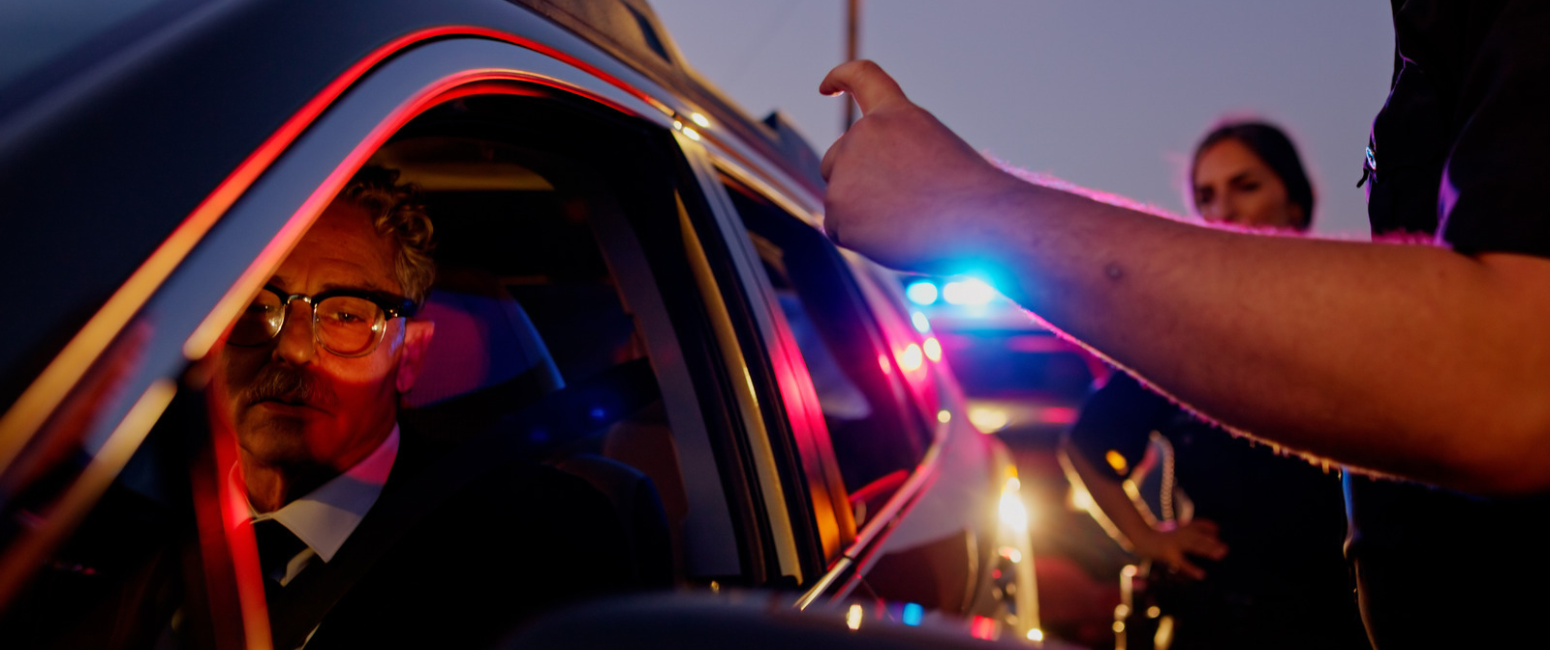
Nevada's implied consent law requires drivers suspected of DUI to submit to certain chemical tests, but police must follow legal procedures when requesting breath or blood samples. If an officer provides misleading warnings, obtains evidence unlawfully, or violates testing requirements, the results may be challenged in court. Understanding your rights under Nevada law can help you determine whether there are grounds to challenge the evidence in your DUI case.
What Is Nevada's Implied Consent Law?
Under NRS 484C.160, anyone who drives on Nevada roads or other property accessible to the public is generally considered to have consented to certain chemical tests when an officer has reasonable grounds to suspect driving under the influence.
Depending on the circumstances, officers may request breath, blood, or urine testing to determine whether alcohol or drugs are involved.
But implied consent does not give law enforcement unlimited authority. Officers must still comply with Nevada statutes and constitutional protections.
Can You Refuse a Breath or Blood Test in Nevada?
You can refuse a DUI chemical test, but doing so can result in serious consequences, including driver's license revocation.
Under NRS 484C.210, refusing a required evidentiary test can result in:
A one-year driver's license revocation.
A three-year revocation if you have a qualifying prior refusal-related revocation within the preceding seven years.
A court-authorized blood draw if officers obtain a valid warrant or court order.
When alcohol is suspected, Nevada law generally permits drivers to refuse a blood test if a breath test is reasonably available, subject to statutory exceptions. Different testing requirements may apply when officers suspect drug impairment.
Importantly, refusing a chemical test does not necessarily prevent prosecutors from pursuing DUI charges.
Can Incorrect Implied Consent Warnings Affect a DUI Case?
Yes. Inaccurate or misleading statements about DUI testing can raise questions about whether a driver voluntarily consented to a chemical test.
For example, an officer might incorrectly explain a driver's testing options, misrepresent the consequences of refusing a test, or claim to have authority to conduct a forced blood draw without proper legal justification.
In Byars v. State, 130 Nev. 848 (2014), the Nevada Supreme Court ruled that Nevada's former statutory authorization for warrantless forced blood draws violated the Fourth Amendment when no valid consent or recognized warrant exception existed.
Today, officers generally need a valid warrant, voluntary consent, or another recognized legal exception to obtain a blood sample.
An incorrect warning does not automatically invalidate a DUI test. Courts examine the circumstances to determine whether an officer's conduct violated the law and whether the evidence should be excluded.
Can Breath or Blood Test Results Be Challenged in Las Vegas?
Yes. Chemical test results are not automatically admissible or reliable simply because law enforcement collected them.
A Las Vegas DUI defense attorney may examine whether:
Police had a lawful reason to stop and arrest the driver.
The officer provided accurate information about testing rights and consequences.
A blood sample was obtained with proper legal authority.
Chemical testing equipment and procedures met applicable requirements.
If evidence was obtained unlawfully, an attorney may seek to have it suppressed. Depending on the circumstances, testing errors may also affect the reliability or admissibility of the prosecution's evidence.
Under NRS 484C.110, a blood alcohol concentration of 0.08 or higher can support a DUI charge for most adult drivers. But even when a chemical test indicates a concentration above the legal limit, defendants may still have grounds to challenge how that evidence was obtained or analyzed.
Charged With DUI in Las Vegas? Contact Pariente Law Firm
If you've been arrested for DUI in Las Vegas or elsewhere in Clark County, understanding how police obtained your breath or blood test results is an important part of evaluating your defense.
Pariente Law Firm can review the circumstances of your arrest, identify potential problems with chemical testing evidence, and help you understand your legal options.
Contact Pariente Law Firm for a free consultation to discuss your DUI case.
Frequently Asked Questions About Nevada's Implied Consent Law
Can I refuse a breathalyzer test in Las Vegas?
Yes, but refusing a required evidentiary breath test can result in driver's license revocation. The rules for preliminary roadside breath tests and evidentiary tests differ.
Can police force me to take a blood test in Nevada?
Police may obtain a blood sample without your consent if they have a valid warrant, court order, or another recognized legal justification. Refusal alone does not automatically authorize a warrantless forced blood draw.
Can incorrect implied consent warnings get a DUI dismissed?
Potentially, but not automatically. Misleading warnings may provide grounds to challenge testing evidence, particularly if they affected voluntary consent. Whether a DUI charge can be dismissed depends on the circumstances and remaining evidence.
Can I challenge a DUI if my blood alcohol level was over 0.08?
Yes. A reported blood alcohol concentration of 0.08 or higher does not prevent you from challenging the legality of the stop, arrest, testing procedures, or reliability of the chemical test results.